Biotransformation and thiol-enhancing products
Boost fruit flavors in beer through biotransformation of thiolsThiols are a group of potent aromatic hydrogen sulphides (mercaptans) that provide aromas of, among other things, citrus, tropical fruit and berries.
These substances and their precursors make up only a fraction of the substances in hops, but humans have an extremely low taste threshold for these aromas. The importance of thiols has long been known in the winemaking of white wines, but new applications have begun to emerge through beer brewers' interest in these flavors.
Thiols exist in two forms, free thiols and bound thiols. The free thiols are those that can be perceived sensory, while bound thiols have no taste impact at all.
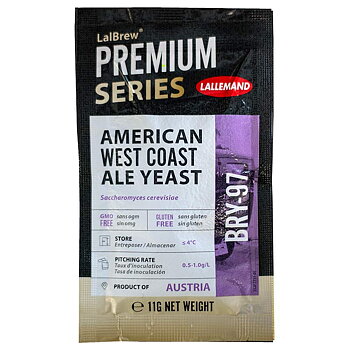
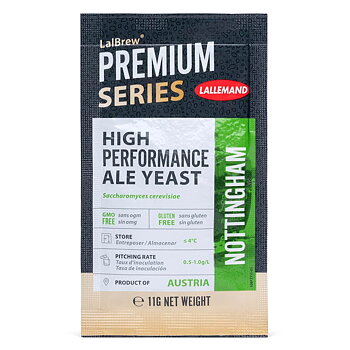
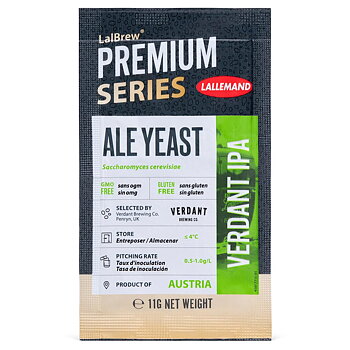
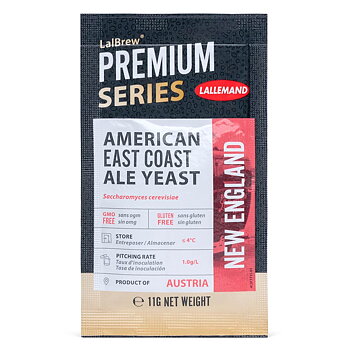
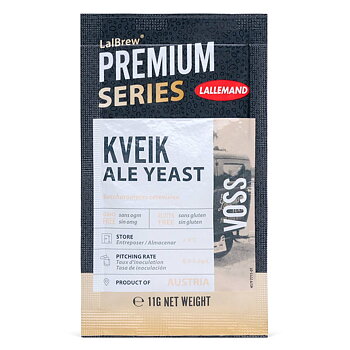
It is only through a process of biotransformation that bound thiols are converted into free thiols and in this process the choice of yeast plays a very important role. Non-aromatic compounds are transformed by yeast enzymes to release aromatic flavor compounds in the beer and regarding thiols the enzyme β-lyase is of particular interest.
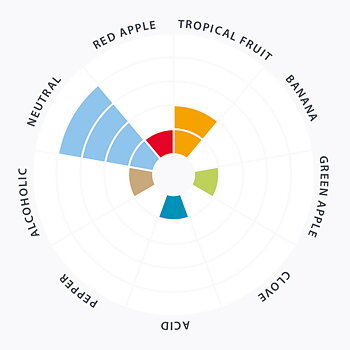
Phantasm is rich in bound thiols which, under the right conditions, can be converted into the free thiols 3SH (tropical fruit, citrus, grapefruit) and 3SHA (passion fruit). In other words, Phantasm is a potent addition to boost the flavor in juicy IPA and New England IPA.
Another form of biotransformation: Aromatic terpenes
Another form of biotransformation involves the enzyme β-glucosidase. This enzyme has the potential of tranforming a non-aromatic terpenyl glycoside into an aromatic terpene (Geraniol, Linalool or β-Citronellol) and a glucose molecule. Terpenes can add to the flavor (citrus, fruity or floral) and can increase the overall hop aroma intensity.