
Make your own kombucha at home!
You can find our kombucha assortment here !
What is kombucha?
Kombucha is sweetened tea which has been fermented into a refreshing, slightly acidic beverage with low alcohol content.
The fermentation is done by a SCOBY, which is an acronym for “Symbiotic Culture of Bacteria and Yeast”, sometimes also called “tea fungus”.
In short, the SCOBY consumes the sugar and tannins in the tea and transforms them into different kinds of acids and low levels of alcohol. This is a type of fermentation process that requires access to Oxygen.
Enjoy the resulting kombucha as it is, or flavored with fruits, berries or herbs.

Ingredients
- Organic Starter Culture for Kombucha
- Organic tea, green or black
- Sugar
- Water
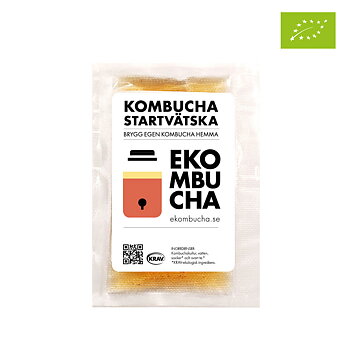
Inside the pouch with the SCOBY, there is a small amount of starter liquid with low pH and lactobacillus. It is crucial to add the liquid with the SCOBY, as creats a favourable environment for the continued fermentation process and counteracts mold growth. In case of mold growth, the cause may be that the starter liquid was diluted in a too large volume of Kombucha-tea, or that the equipment wasn't clean enough to begin with.
Store the SCOBY cool until a few hours before you start a new batch of kombucha, but never allow it to freeze.
Choose an organic tea which hasn’t been flavoured with aromatic oils. A black tea is often preferred, as it adds tannins to the tea which are favorable for the SCOBY and the fermentation process. Oolong, green or white tea is also good for making kombucha. Choose from your own preferences and make your own kombucha tea-blend.
Organic white or light brown sugar is often used for kombucha. Darker sugars adds color and flavor to the kombucha. The amount of sugar can be between 44 - 65 grams per liter.
Avoid using honey, as this contains yeast and bacteria which competes with the SCOBY. Needless to say, you should also avoid artificial sweeteners that the SCOBY cannot consume during fermentation.
Useful equipment
- Thermometer
- Large sauce pan (large enough to hold the total volume of kombucha)
- Fermenter
- Mesh strain bag
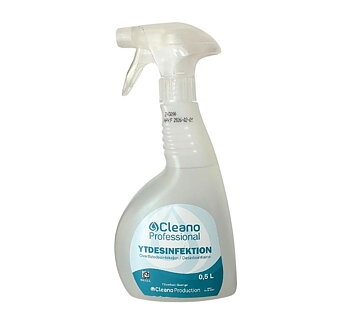
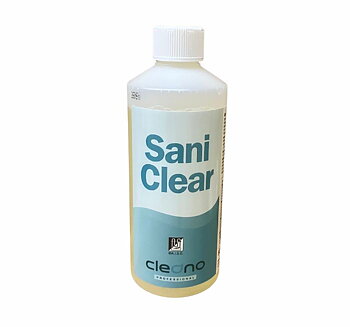
- Sanitizer
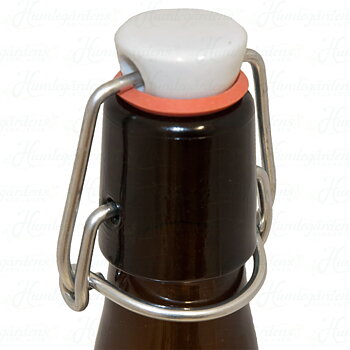
- Bottles that can be capped and hold pressure
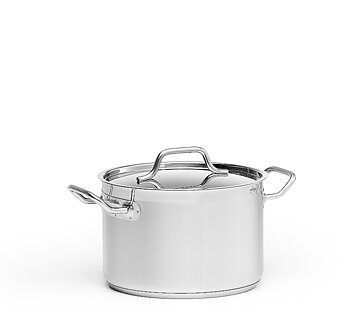
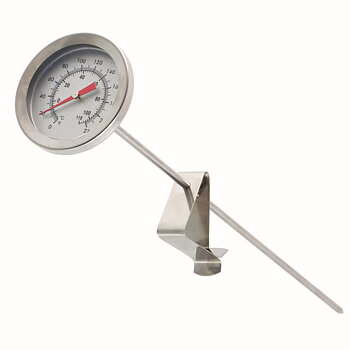
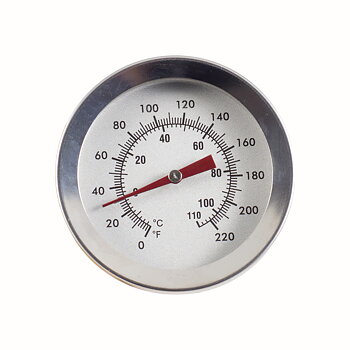


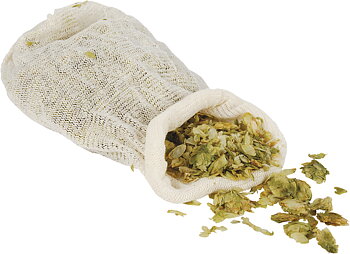
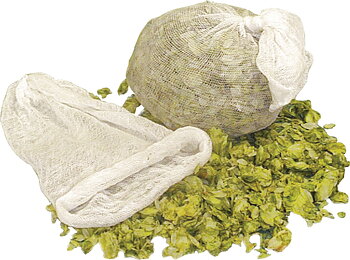
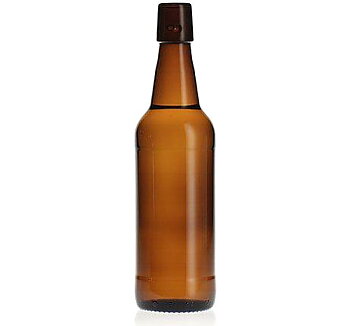
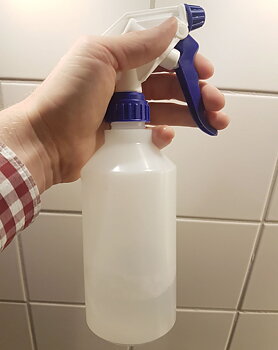
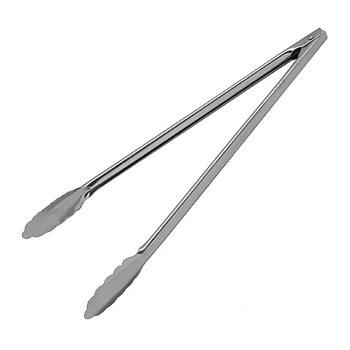
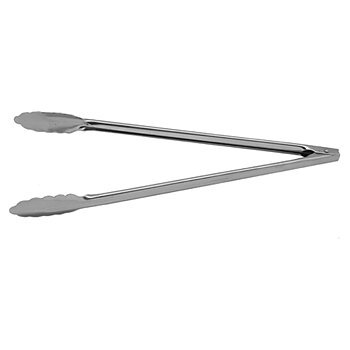
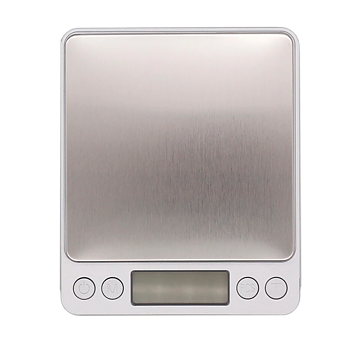
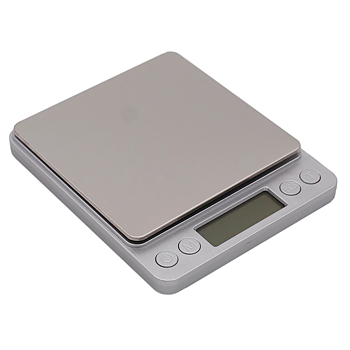
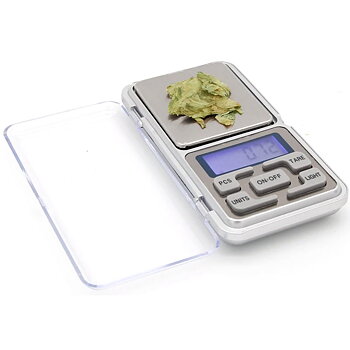

The size of your kettle, fermenter and starter culture limits the volume of kombucha you can make. We recommend starting with a small volume (around 1 liter of finished kombucha) the first time you use your SCOBY. Successive batches can be larger, and a usual batch size is 4 - 5 liters of kombucha.
Your SCOBY needs Oxygen for the fermentation process. Covering the mouth of the fermenter with a cloth allows Oxygen through while keeping flies and dust away.
Keep your equipment clean and sanitized. Use a good sanitizer for your equipment. Mesh strain bags can be boiled for sanitizing.
How to make kombucha
- Fyll your kettle with ¼ of the water and bring to a boil.
- Switch off the heat and let the water cool for a minute.
- Add the tea and let it steep for 5-15 minutes and then remove it.
- Add the sugar and stir until dissolved.
- Dilute the tea with the remaining ¾ cold water. This will lower the temperature to about 20 - 30 °C. If the temperature still is warmer, cool the kettle in a cold water bath.
- When the temperature is at 20 - 30 °C you can pour the tea into the fermenter and add the SCOBY with its liquid.
- Attach the mesh strain bag over the mouth of the fermenter. Place the fermenter in a dark and calm corner in room temperature.
Fermentation process
The fermentation takes 7 - 21 days, depending on how acidic you want your kombucha. The longer it ferments, the tarter it gets.
The first time you use your SCOBY, it may take a bit longer before it gets going. It is because the SCOBY has been stored cool and reached a dormant state. With successive batches you will notice swifter fermentations.
Saving your SCOBY for the next batch of kombucha
When the kombucha has reached a good level of tartness, it may be bottled.
Now, begin with deciding the volume of kombucha you plan to make in your next batch. You should store about 15 - 20 % of this volume until next brewing session. (This kombucha should then be added to the sweetened and cooled tea together with the SCOBY).
Remove the SCOBY. Put it in a sanitized container, together with the kombucha you save for your next batch of kombucha.
Bottling your kombucha
You can get your kombucha carbonated by refermentation in the bottle. This is done by adding a small amount of sugar at bottling. The sugar allows the yeast to create CO2, carbonating the beer.
Normal dosage is 6 grams of sugar per liter of kombucha, which equals about 2 ml of white sugar per 33 cl bottle. The sugar can be added dry to each bottle, or dissolved in water and added to the whole batch. However, an actively fermenting kombucha might not need extra sugar.
After 1 - 4 days in ambient temperature the carbonation in the bottles may have reached satisfactory levels. Store the bottles with kombucha cold in the refrigerator.
If you add fruit or spices to your kombucha, you may do it at this point. Please note that fruit contains sugars, making it unnecessary to add more sugar for refermentation.
Recipe for 1 liter of kombucha - Hank’s basic recipe
Ingredients (per liter kombucha)
- 8 dl water
- 4 g of loose tea
- 0,5 - 0,7 dl sugar (50 - 70 g / L)
- 2 dl kombucha (20% of the volume)
- 1 Organic Starter Culture for Kombucha
Scale up the recipe to the desired volume of kombucha.
Remember to adjust the batch volume to the volume of kombucha that you have saved from a previous batch, avoiding a too rapid increase in volume.