Temperature Control
Regulating the fermentation temperature is often a major upgrade in the fermentation process to get the best out of many yeast strains and thus the right flavor profile. Not being limited by the temperature of the room simply gives you more tools in your brewing process.
There are three main methods of temperature control:
There are three main methods of temperature control:
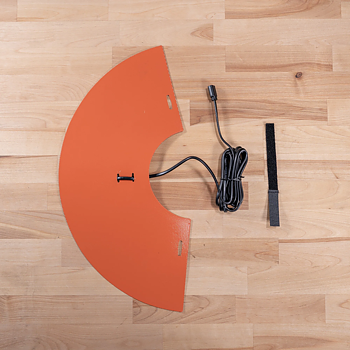
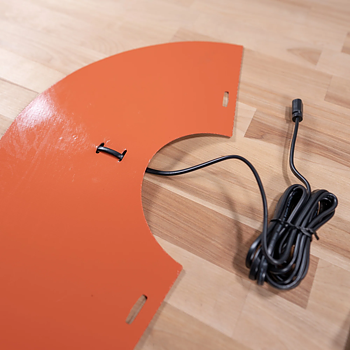
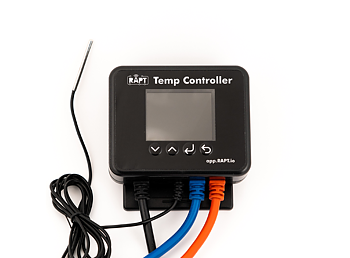
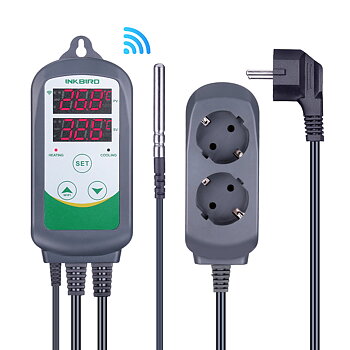
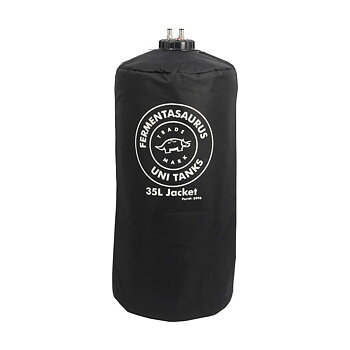
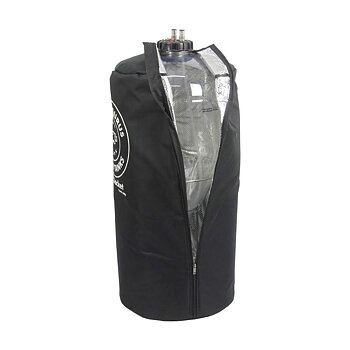
- Ferment in a cold space such as a basement or outdoor storage room and have a heat source connected to a thermostat. This method is very affordable but you are limited to the temperature of the space as your minimum temperature and the effect of your heat source versus the volume of your fermenter for your upper span. The system also tends to be slow to raise or lower the temperature as the temperature difference is rarely that big
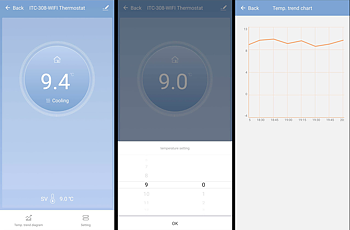
- Ferment in a refrigerator or freezer which is then connected to an external thermostat that can turn the power on or off depending on the temperature in the fermenter. This system can be quite bulky, especially with multiple fermenters or larger fermentation volumes. The system can also be a bit slower to respond to temperature changes and to lower the temperature compared to a glycol chiller.
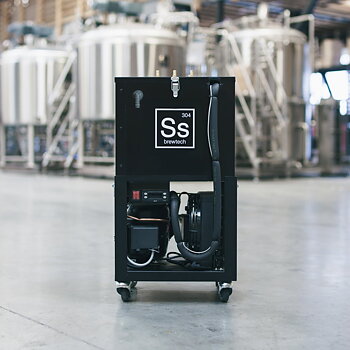
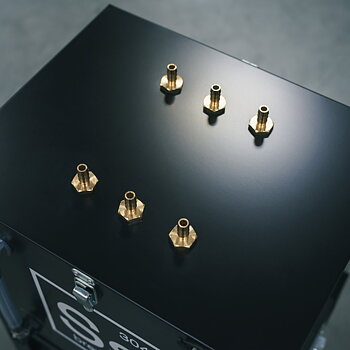
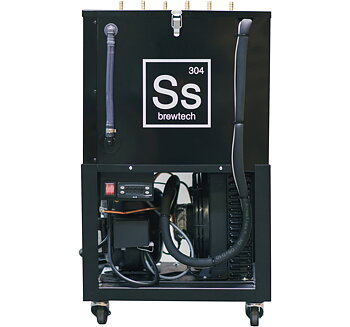
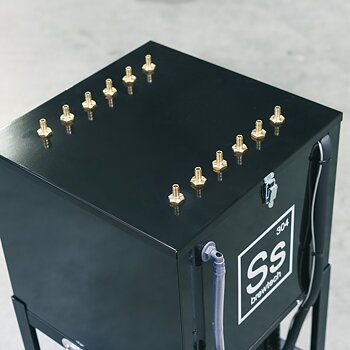
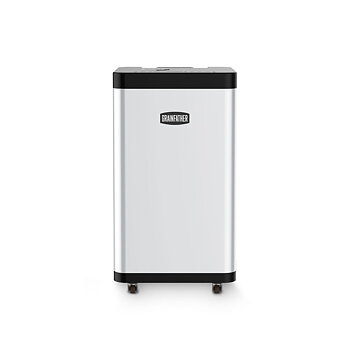
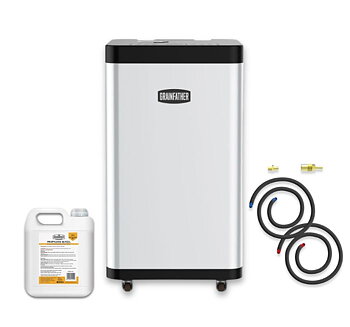
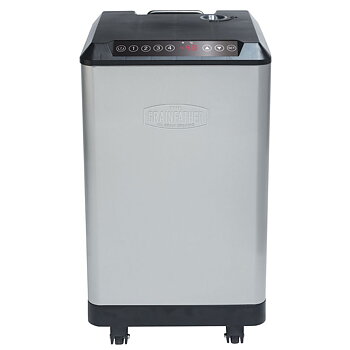
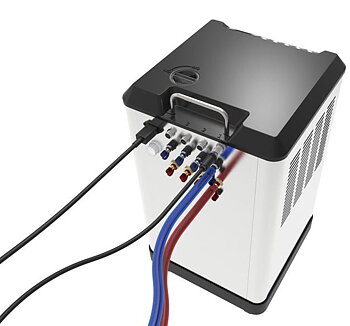
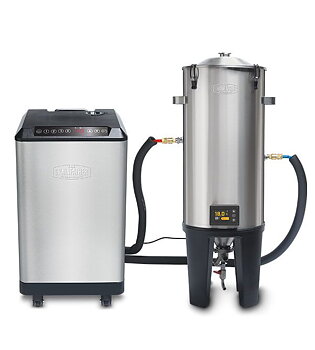
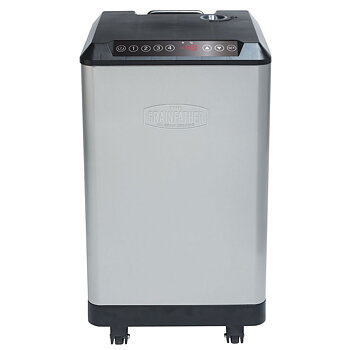
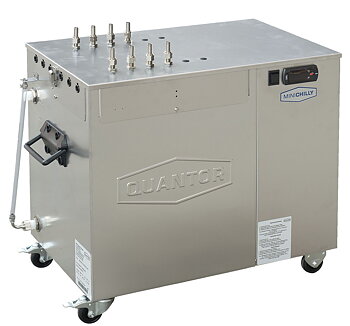
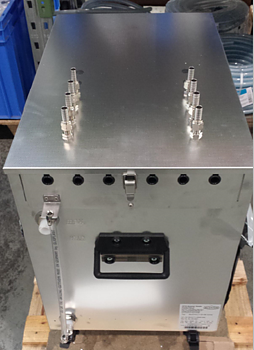
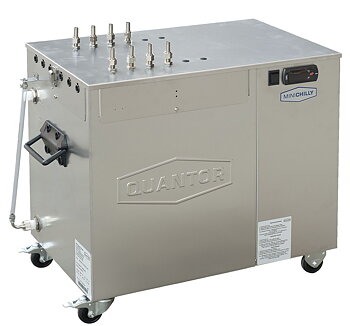
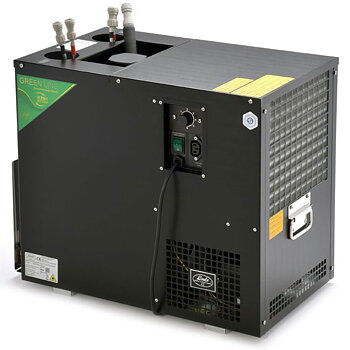
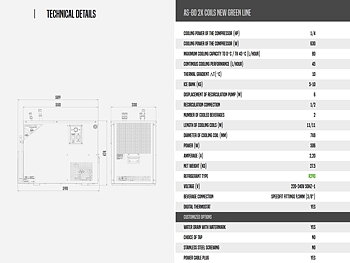
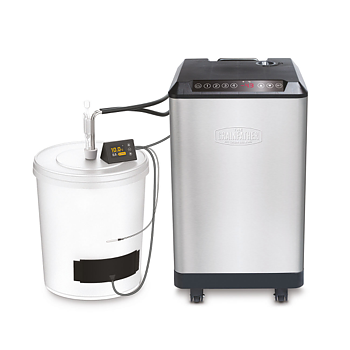
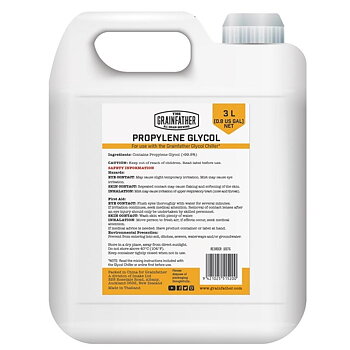
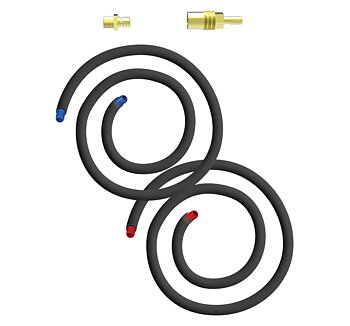
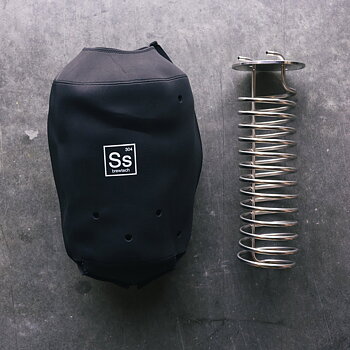
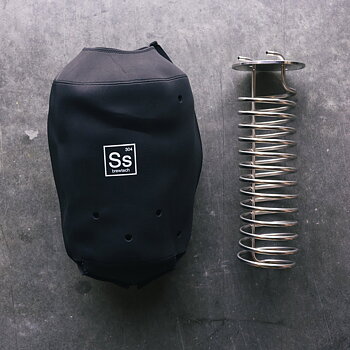
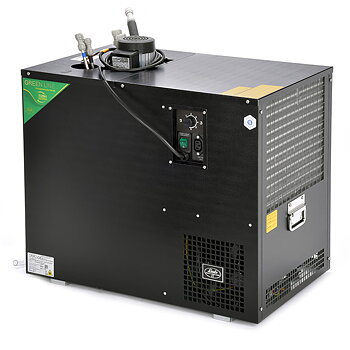
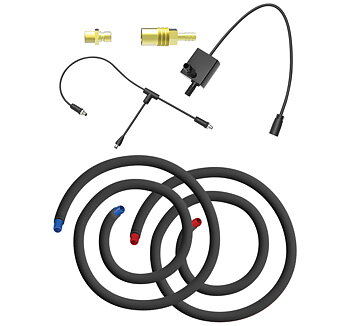
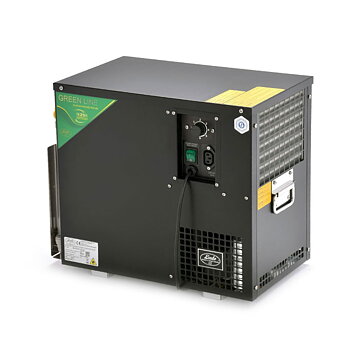
- A glycol chiller circulates a mixture of glycol and water through cooling coils or jackets in the fermenter, which makes it possible to cool the beer even in warm conditions and provides rapid temperature adjustments. The system usually consists of a chiller unit, pump, hoses and a temperature controller that regulates when the glycol should circulate. Compared to a refrigerator or freezer, a glycol chiller provides faster response and the ability to control multiple fermenters simultaneously. The systems are often quite expensive but provide unmatched control and precision