Stainless steel fermenters
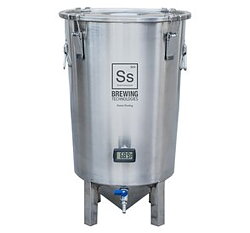
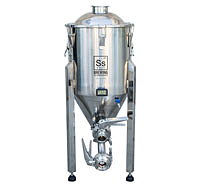
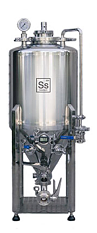
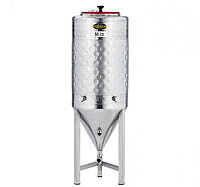
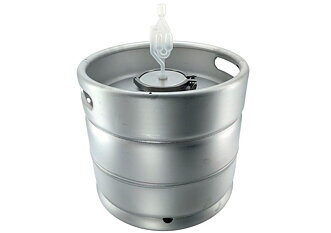
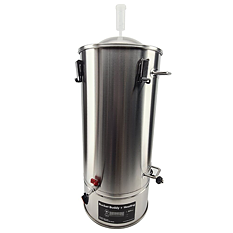
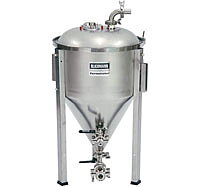
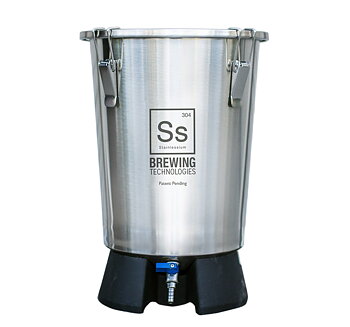
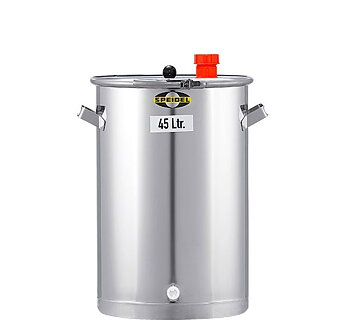
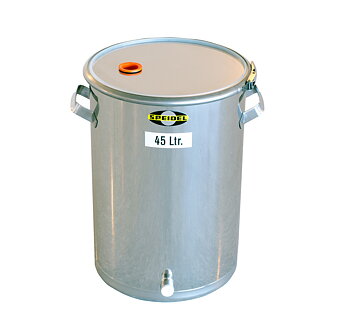
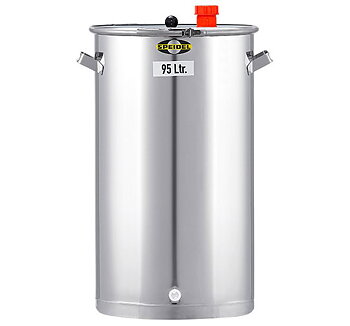
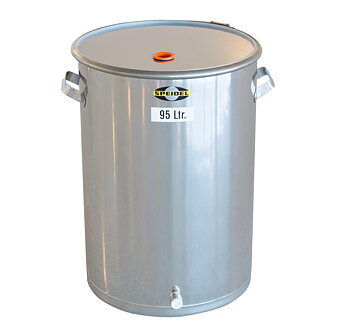
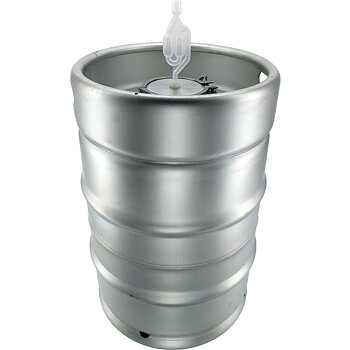
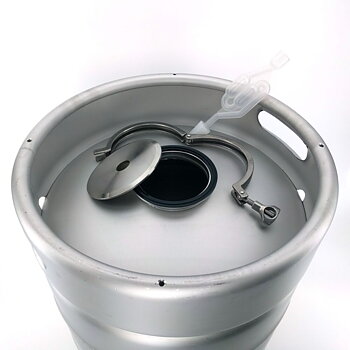
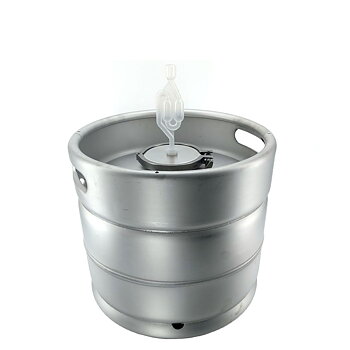
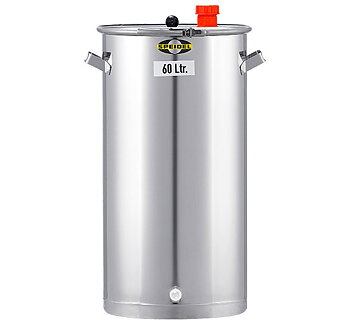
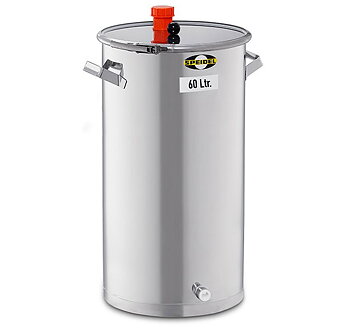
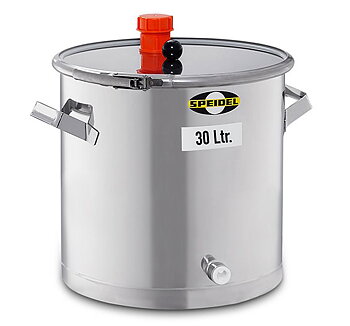
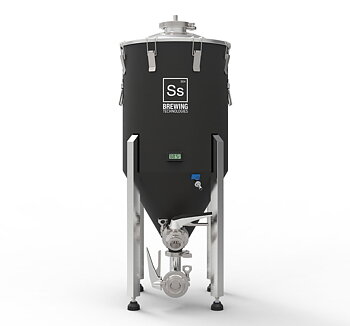
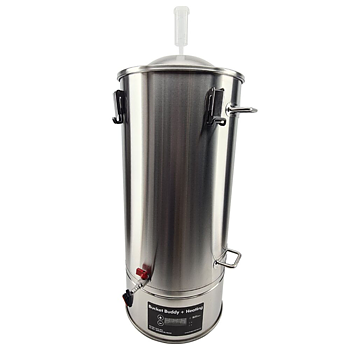
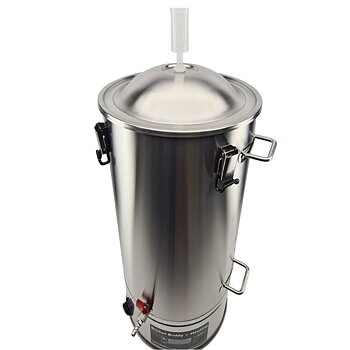
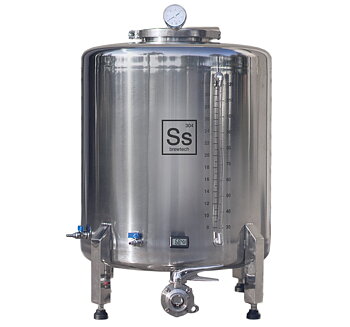
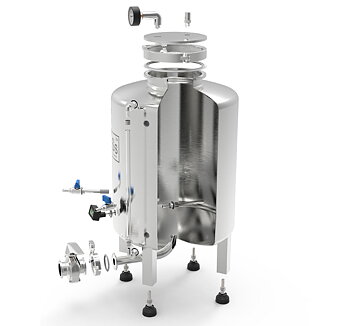
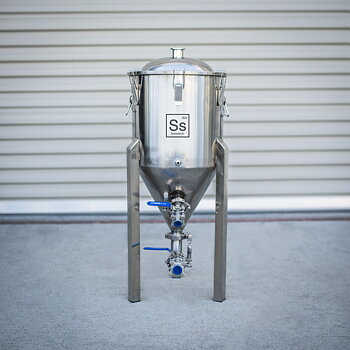
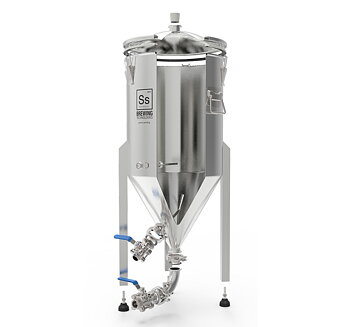
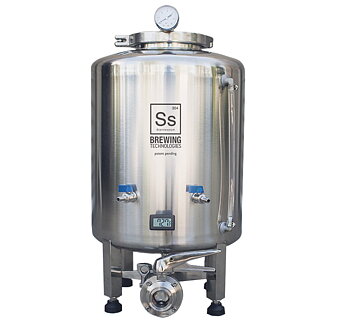
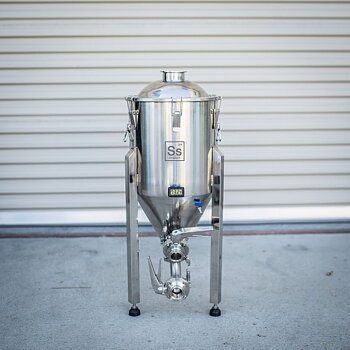
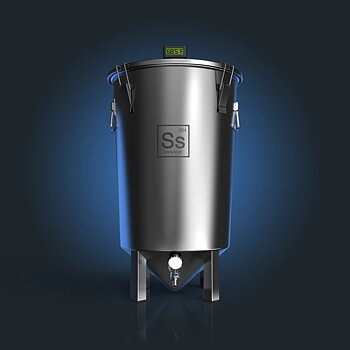
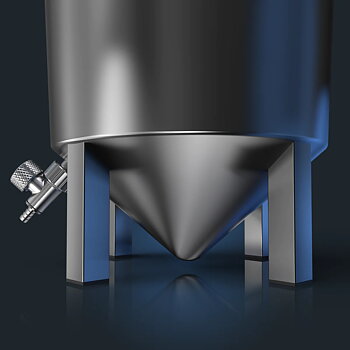
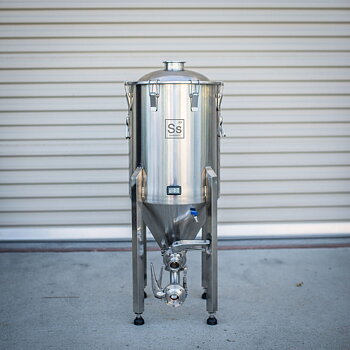
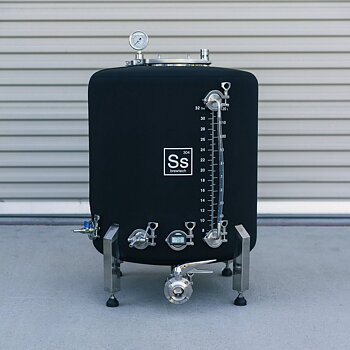
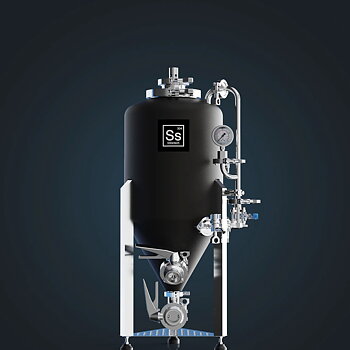
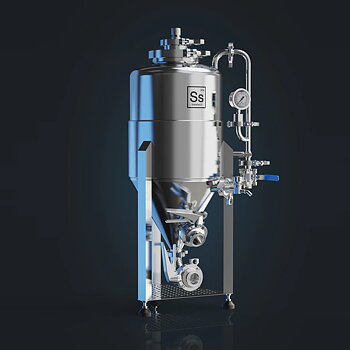
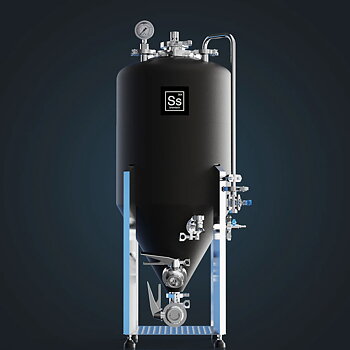
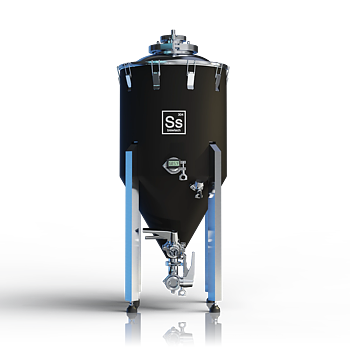
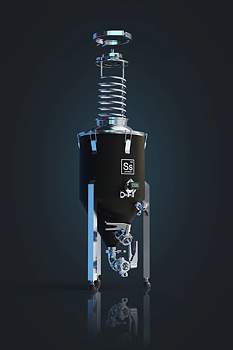
Steel fermenters, usually made of stainless steel, are used for fermenting beer, wine and cider and are popular for their durability and hygiene. Unlike plastic, steel does not absorb flavors or odors and is easy to clean and disinfect. They come in many sizes, from small homebrewing vessels to large professional tanks.
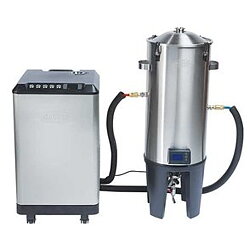
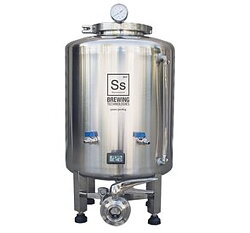
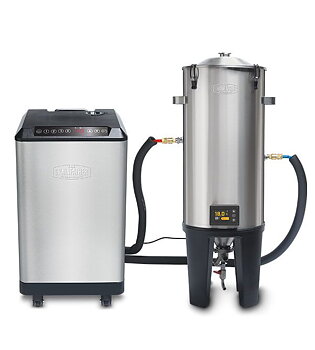
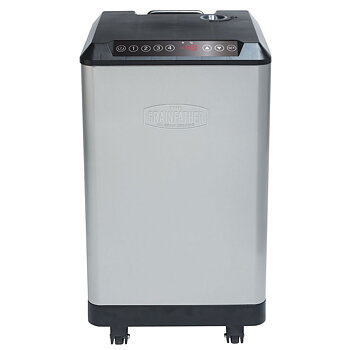
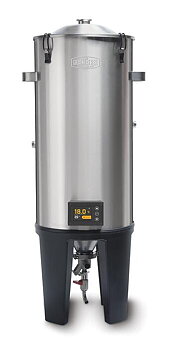
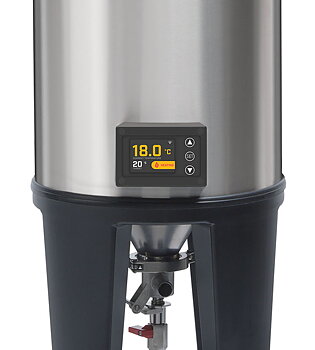
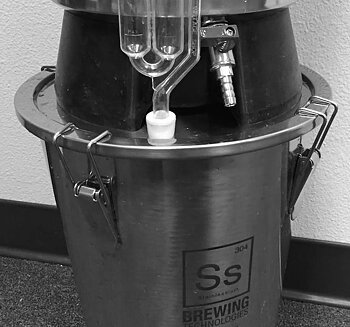
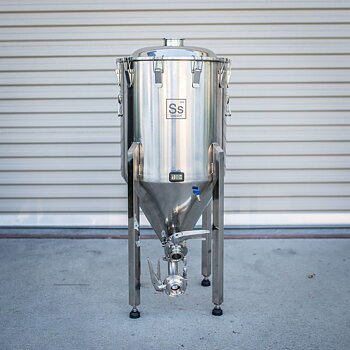
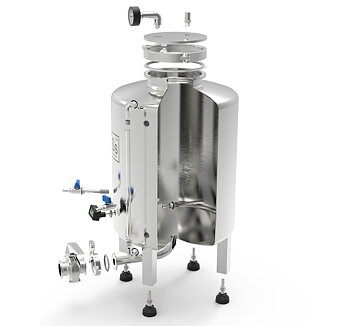
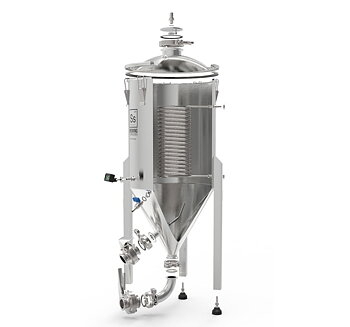
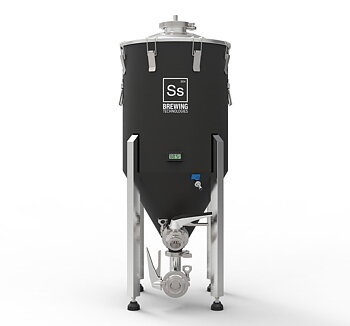
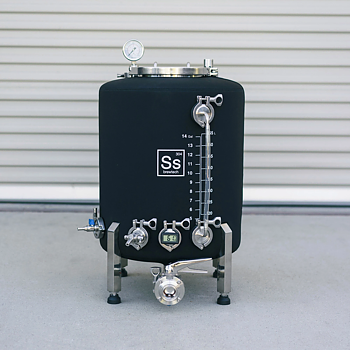
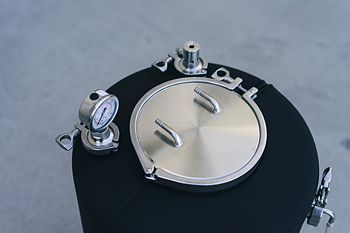
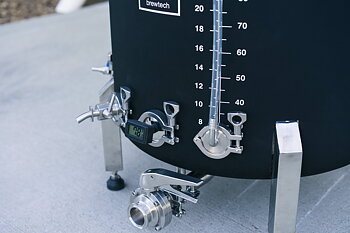
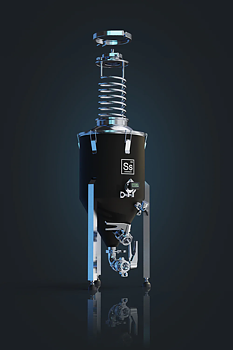
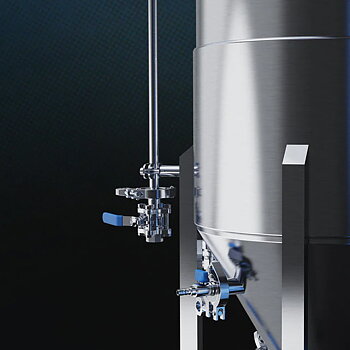
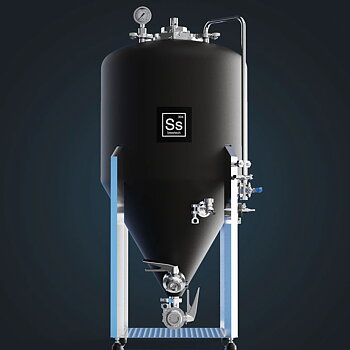
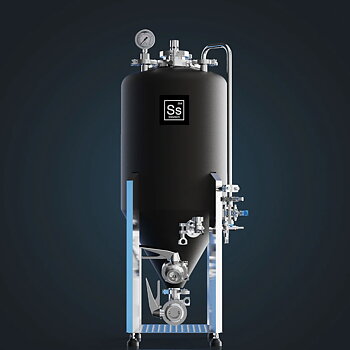
Simpler steel fermenters are often equipped with only a tap, while more advanced models are pressure-resistant and have the option of temperature control. Pressure fermentation has several advantages such as reduced ester production and lager fermentation at higher temperatures, and by calibrating a sprue, you can let the beer naturally carbonate in the fermenter. Temperature control, via a cooling loop or cooling jacket, provides better control over yeast activity and a more consistent end result, and opens up more possibilities for fermenting different beer styles such as lager or kveik.
For homebrewers who want to take the next step, steel fermenters provide a more controlled and repeatable fermentation. They are more expensive than plastic alternatives, but the investment pays off in the long run through a longer life for the fermenter and higher quality of the beverage. With proper care, a steel fermenter can basically last a lifetime.