0
Your cart
Sensory kit 5 types
Sensory kit 5 types
Sensory kit 5 types - 2
Sensory kit 5 types - 3

Sensory kit 5 types

4.5
1,130.98 SEK
Add to list of favorites
Sensory kit from Siebel Institute with the most common beer off-flavor components.
Read more...

Description

Article no.: 691705

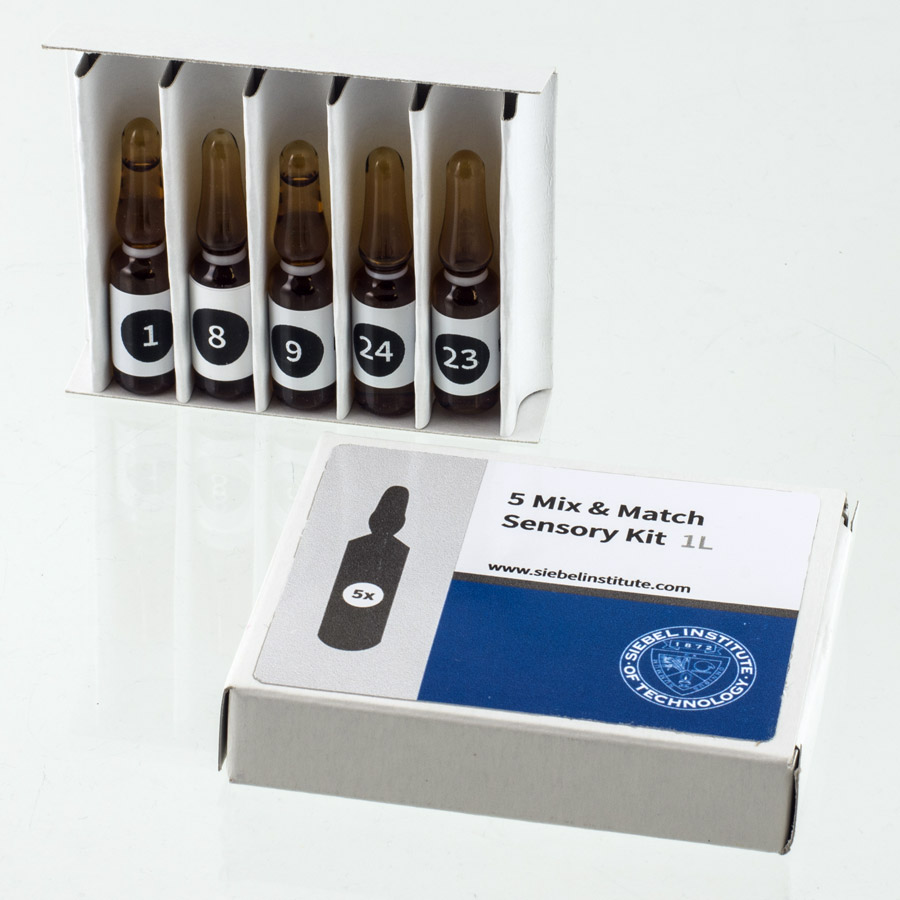
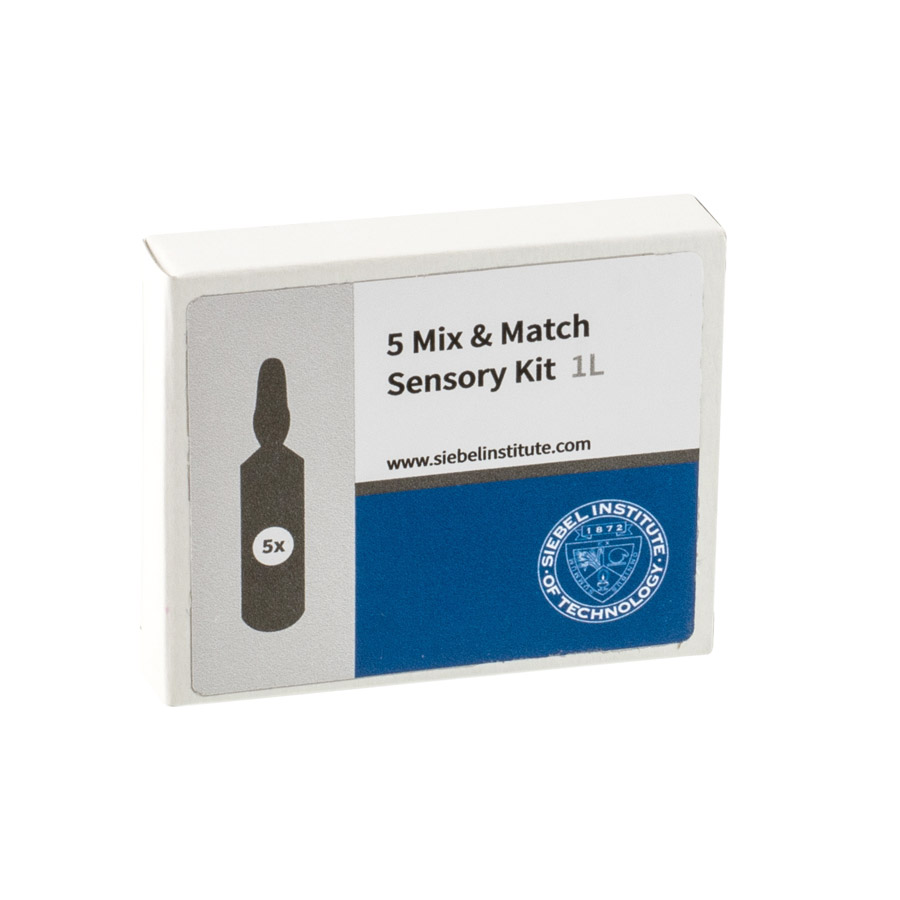
Teach yourself the most common off-flavours in beer with this Sensory kit from the Siebel Institute.

By comparing a flavoured beer with a control sample, you can develop your knowledge about how flavour and aroma is connected to different factors in brewing, racking and storing beer. This gives a broader understanding for sampling, brewing and judging beer, and is useful for "tester calibration".

The Sensory kit is suitable for a group of testers, for example as a tasting event, in brew clubs, with beer judges or in other educational circumstances.


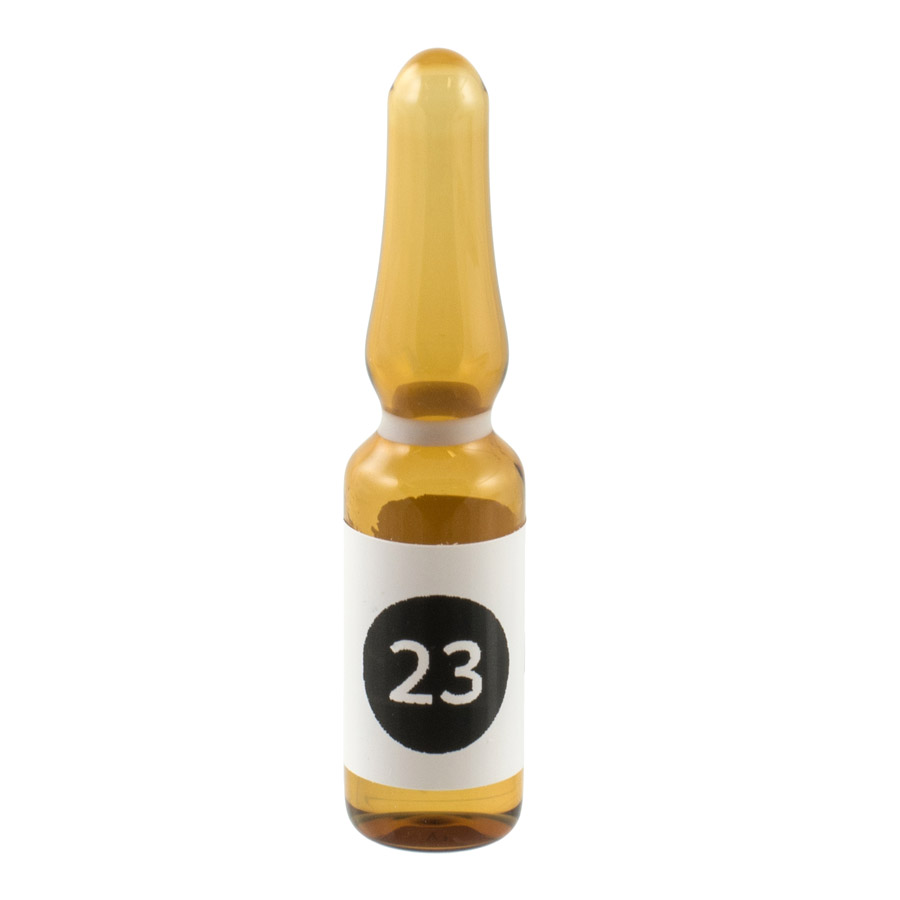
Contains a set of 5 single use glass vials, with the flavours:

• Acetaldehyd (Green apple)
Common sources: stalled fermentation or contact with oxygen
Concentration: 45 mg/l. Threshold in beer: 10-20 mg/l.

• DMS / Dimethyl sulfide (Cooked corn, cooked vegetables)
Common sources: too short wort boil or slow wort cooling
Concentration: 200 μg/l. Threshold in beer: 25-50 μg/l.

• Diacetyl / 2,3-Butanedione (Butter, butterscotch)
Common sources: stalled fermentation or improper maturation, microbial contamination
Concentration: 0.6 mg/l. Threshold in beer: 0.1-0.2 mg/l.

• Spicy / Eugenol (Cloves, all spice)
Common sources: bi-product of fermentation, microbial contamination or aging
Concentration: 120 μg/l. Threshold in beer: 40 μg/l.

• Paper / Trans-2-nonenal (Cardboard, oxidized)
Common sources: contact with oxygen during brewing, racking or storage
Concentration: 2 μg/l. Threshold in beer: 0.5 μg/l.

Each vial is intended for 1 L of neutral beer, sufficient for at least 10 persons.
Use the same beer as control sample.

Sample preparation (gives approx. 3x threshold level):
• Use 1 L of beer per vial.
• Carefully pour half the beer volume into a suitable pitcher.
• Lightly snap the vial open at the top section.
• Add the contents of the vial to the pitcher.
• Gently pour the rest of the beer into the pitcher.
• Serve samples of 80 - 100 ml, together with a control sample.
• Smell, taste and swallow the sample. Take notice of differences from the control sample, preferably as a silent testing.
• Discuss the differences between the two samples.


Instruction for preparation and sampling the Sensory kit (PDF)

  • Fast delivery
  • International shipping
  • E-mail us, we reply swiftly!
  • BrandSiebel Institute

Description

Article no.: 691705

Teach yourself the most common off-flavours in beer with this Sensory kit from the Siebel Institute.

By comparing a flavoured beer with a control sample, you can develop your knowledge about how flavour and aroma is connected to different factors in brewing, racking and storing beer. This gives a broader understanding for sampling, brewing and judging beer, and is useful for "tester calibration".

The Sensory kit is suitable for a group of testers, for example as a tasting event, in brew clubs, with beer judges or in other educational circumstances.


Contains a set of 5 single use glass vials, with the flavours:

• Acetaldehyd (Green apple)
Common sources: stalled fermentation or contact with oxygen
Concentration: 45 mg/l. Threshold in beer: 10-20 mg/l.

• DMS / Dimethyl sulfide (Cooked corn, cooked vegetables)
Common sources: too short wort boil or slow wort cooling
Concentration: 200 μg/l. Threshold in beer: 25-50 μg/l.

• Diacetyl / 2,3-Butanedione (Butter, butterscotch)
Common sources: stalled fermentation or improper maturation, microbial contamination
Concentration: 0.6 mg/l. Threshold in beer: 0.1-0.2 mg/l.

• Spicy / Eugenol (Cloves, all spice)
Common sources: bi-product of fermentation, microbial contamination or aging
Concentration: 120 μg/l. Threshold in beer: 40 μg/l.

• Paper / Trans-2-nonenal (Cardboard, oxidized)
Common sources: contact with oxygen during brewing, racking or storage
Concentration: 2 μg/l. Threshold in beer: 0.5 μg/l.

Each vial is intended for 1 L of neutral beer, sufficient for at least 10 persons.
Use the same beer as control sample.

Sample preparation (gives approx. 3x threshold level):
• Use 1 L of beer per vial.
• Carefully pour half the beer volume into a suitable pitcher.
• Lightly snap the vial open at the top section.
• Add the contents of the vial to the pitcher.
• Gently pour the rest of the beer into the pitcher.
• Serve samples of 80 - 100 ml, together with a control sample.
• Smell, taste and swallow the sample. Take notice of differences from the control sample, preferably as a silent testing.
• Discuss the differences between the two samples.


Instruction for preparation and sampling the Sensory kit (PDF)

Recensioner

4.5
Baserat på 2 betyg2 betyg
5
4
3
2
1
Recensioner (2)
Recensioner (2)
Powered by TestFreaks
JWJ

Köpte ett kitt tillsammans med några kompisar för att hålla kostnaden nere, då man blandar upp med 1L öl per felsmak kan man lätt vara 6-10 pers och då blir det inte så dyrt.

Bra - Enkelt och praktiskt - Överlag tydliga felsmaker - Varje person behöver bara 1dl öl pr smak för att kunna smaka/testa

"Att tänka på" / personlig åsikt - Köp en neutral kommersiell makrolager, 1L per felsmak - Köp ytterligare några burkar/ flaskor av samma öl för att ha en referenspunkt (läs: totalt behöver man 6-7L öl för en test-kväll) - Häll i lite öl, utan att det skummar, sen felsmaken och resten av öl så att felsmaken inte bara hamnar i skummet - Några felsmaker var tydligare om man tog en klunk av referensölen först och sen ganska direkt testade felsmaken (asså utan att rensa paletten med vatten) - Några felsmaker är ganska svåra/subtila, ev blanda med bara med 0,5-0,8L öl för att göra felsmaken uber-tydlig. - Ev köp några kommersiella exempel som har lite av felsmakerna (ex Urquell har lite Diacetyl, Heineken Lightstruk.. etc) - Ev ha några hembryggda öl som har blivit mindre bra för att testa "skapt läge".

Det går att "bygga" såna kitt själv (med saker man köper på affären / googla det), tyckte dock att det var enkelt och praktiskt med kittet även om det kostar en del. Kan tänka mig att göra det igen för att bli bättre på felsmaker och därmed förstå vad som har gått fel i bryggningen. Blir ju lite socialt & trevligt om man avslutar med lite bra hembryggda öl på slutet för att "tvätta" smaklökarna från både felsmaker och makrolager.

Martin

Nyttigt och horribelt och bra.

Frågor och svar

Ställ en fråga
Ställ en fråga